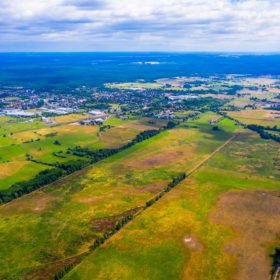
Construction begins on 64 MW unsubsidized Polish solar plant
The project, set to be commissioned this year, will sell power to an unspecified industrial client under a power purchase agreement.
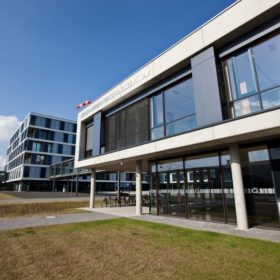
Q Cells commits to three-year, €125m German R&D spend
The Korean company has committed to invest in solar innovation in Germany at a time when the EU and member states are desperately trying to kick-start the Covid-19 recovery.
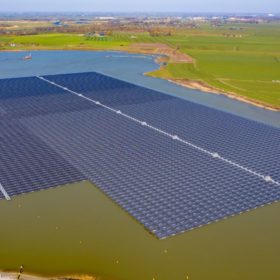
Baywa sells ‘largest floating PV park outside China’
The 27 MW Dutch project in Zwolle has been sold to a consortium featuring a provincial energy transition fund and a local energy co-operative in a deal backed by public funding.

US trade commission dismisses Hanwha patent infringement claim
The Chinese manufacturer this morning said the International Trade Commission had agreed with the initial determination issued by an administrative law judge in April, that Jinko and peers Longi Solar and REC Group had not infringed Hanwha’s solar cell passivation technology.
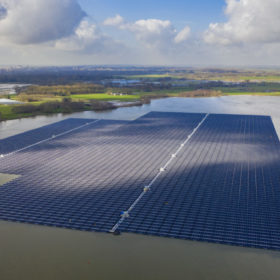
Baywa’s plans for floating PV
Over the past two years, German renewables business Baywa re has developed in-house floating solar technology and installed nearly 50 MW of projects in the Netherlands. Benoît Roux, director of solar activities at Baywa re in France, said the ramp-up in project size has enabled the company to achieve dramatic cost reductions.
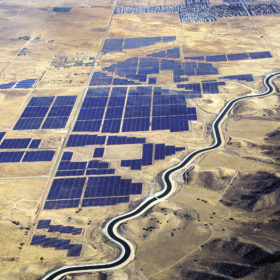
JinkoSolar says US authorities see no violation of Hanwha Q-Cells patent
The patentability of Korean company Hanwha’s technology is being examined by a U.S. commission, according to Jinko. The Chinese manufacturer said it expects a final decision by December. Hanwha responded by announcing its decision to appeal.
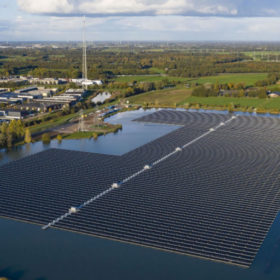
Construction begins on 27 MW Netherlands floating solar plant
German renewables company Baywa r.e. has started work on its fourth utility scale floating PV project in the water-rich country.

German coal mines could host 3 GW of floating PV
Research institute the Fraunhofer ISE has estimated the technical potential of floating PV at mining sites in Germany at around 56 GW. With floating projects 10-15% more costly than land-based alternatives, researchers have called for further incentives, such as the staging of ‘innovation tenders’.
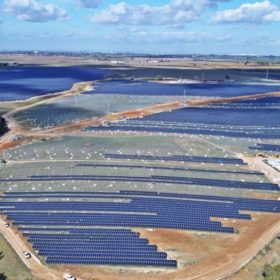
Baywa re: ‘We want more renewables projects in Spain and Portugal’
The developer issued the appeal for developers to come forward on the peninsula after selling its second subsidy-free Spanish solar project. The seller did not reveal how much insurance company Talanx has paid for the Don Rodrigo 2 facility.
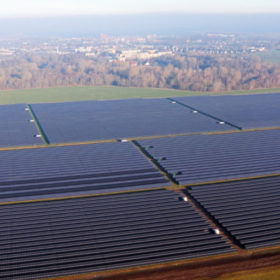
Baywa re sells German grid-parity solar plant to Encavis
The Munich-based group sold five solar parks with a total generation capacity of around 35 MW to the Hamburg-headquartered power producer. One of the five plants was among Germany’s first unsubsidized PV projects.
