
Ireland launches auction scheme for renewables
Solar is included among the competing sources but with a maximum quota of only 10%. Around 13,500 GWh will be allocated across five rounds under the new scheme, which is still subject to EU state aid approval. Community-led projects will be allowed to participate from the second round, with a bonus of €2/MWh.
Flexible energy supply companies hampered by lack of policy
Britain’s renewable energy trade body has published a report examining the state of flexibility market readiness in nine European markets. The result makes for sobering reading for Germany, France and the U.K.
Statkraft buys 326 MW of solar projects in Ireland
The Norwegian power company acquired the projects for around $17.3 million. The transaction indicates interest in large scale solar is on the rise in Ireland and unsubsidized projects are viable.
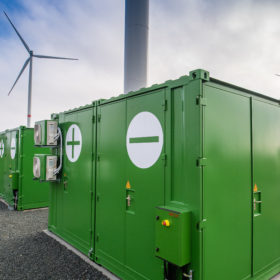
Ireland allocates 110 MW in large scale storage auction
Originally intended to commission 140 MW of storage, the tender drew three winning projects: a 50 MW system and two 30 MW facilities. Eirgrid has estimated the total value of the contracts at around €6 million per year.
US corporate clean energy procurement platform opens in Europe
LevelTen claims its online platform offers small companies the chance to band together to buy green energy and connects renewable energy producers and consumers in such an effective manner it has already driven $1 billion of green energy supply in its homeland.
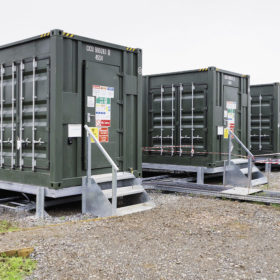
Big storage comes to Ireland
A 200 MW storage project is being developed by Hanwha Energy Corporation and Lumcloon Energy. The €300 million facility is intended to stabilize the grid to host more renewable energy capacity.

The tide is changing for ground-mounted PV in Ireland
Ireland appears ready to embrace PV after years of failed announcements. Globaldata predicts the EU member state will deploy around 1.3 GW of solar by 2030, with renewables potentially meeting 65% of electricity demand. Furthermore, Irish Water has announced it wants to deploy solar at its water treatment plants.

Bord na Móna seeks EPC contractor for 90 MW PV project in Ireland
The wind power specialist has started prequalifying EPCs for the ground-mounted solar plant, which will be built near Timahoe North, County Kildare.
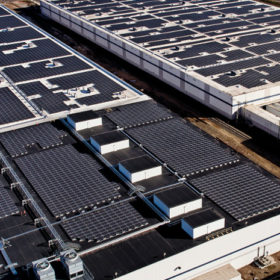
Amazon announces plans for 45 MW of solar
The e-commerce group will invest an undisclosed sum in a 45 MW solar array in the U.S. state of Virginia. It also plans to invest in a 23.2 MW wind farm in Ireland.
‘True grid parity about more than electricity price’
The head of Mercom Capital says solar has a long way to go before it can stand without policy support. Effective grid parity will only be achieved when the cost of PV electricity factors in the expense of grid upgrades and the storage systems its intermittent nature requires, says Raj Prabhu.
