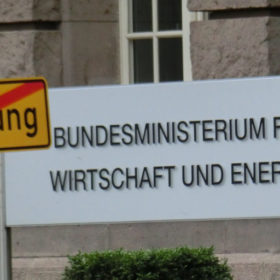
Germany concludes draft detailing drastic cutbacks for PV systems 40 kW and over
In addition to solar subsidy cutbacks of around 20%, planned for the start of 2019, the German Federal Ministry of Economics’ draft Energy Sources Act includes special tenders for PV and onshore wind. While many say the cuts cause great uncertainty for large-scale project developers, politician Peter Altmaier sees it differently: the energy transition is becoming safer and more affordable, he says. The decision to adopt or change the act now lies with the Federal Parliament.
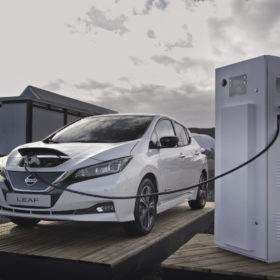
What’s in store for storage? $620bn
The rise of batteries will attract that headline figure in investment up to 2040, say analysts, as exponential growth in EV ownership, falling stationery system costs and the needs of the world’s grid-poor regions combine to boost lithium-ion technology.
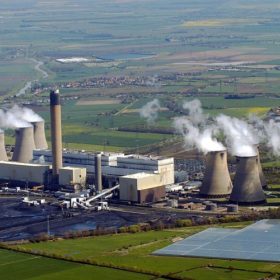
Renewables overtake fossil fuels in UK installed capacity
A report published today by U.K.-headquartered energy company Drax says that, for the first time ever, total generation capacity available from renewables has overtaken that of fossil fuels on Britain’s electric grid.
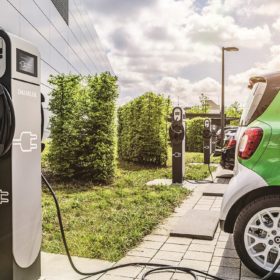
EV makers announce latest monthly sales figures
BYD’s electric bus business is growing at an healthy rate. Geely’s EVs lag their more traditional counterparts – but are gaining ground.
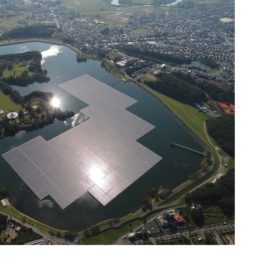
Further Indian sites considered to host large-scale floating solar
With the Solar Energy Corporation of India having already proposed 10 GW of solar be located on artificial bodies of water over the next three years, one of its directors has mooted ambitious plans at four more locations.

Chinese manufacturer prepares to raise $434m through bonds
The polysilicon, PV wafer and module and inverter maker has arranged a second EGM of 2018 to seek permission for two bond issues, as its peers scramble to raise their manufacturing capacities.
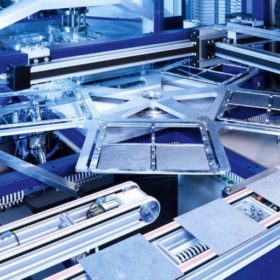
Singulus signals 300 MW production equipment order as Chinese dragon roars again
Predictions of the imminent demise of Chinese solar demand due to the reining in of subsidies have not stopped manufacturers ramping up production capacities. German equipment maker Singulus is among the suppliers to benefit from a renewed confidence in the Far East.
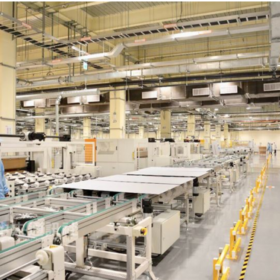
India’s 10 GW solar tender amended again – but deterrents remain
While the timelines for PV plant execution and completion of the manufacturing facilities required by the tender are now more realistic, production obligations – especially related to capacity utilization – need to be revisited.

Lebanon aims to source 30% of heat and power from renewables by 2030
Prime minister has announced a tough new renewable energy target, which will build on the current ambition of generating 12% of the nation’s electricity and heat from renewables in little over a year’s time.
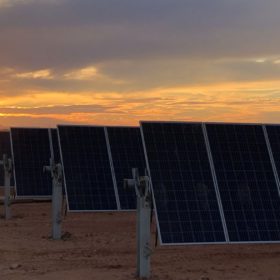
Bungala Solar Farm goes fully online as Australia’s biggest solar project to date
After being commissioned in stages, the Bungala Solar Farm near Port Augusta in South Australia is now fully operational. At 220 MW/275 MWdc, Bungala is Australia’s largest solar farm completed to date.
