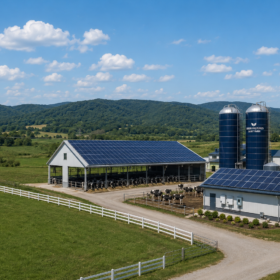
How to prevent stray voltage from harming livestock in PV-equipped dairy farms
Stray voltage is unwanted electrical potential differences in barns that can cause small shocks to livestock, especially dairy cows, through damp floors, metal equipment, and water systems, leading to stress and reduced productivity, and in some cases even to death. While PV systems are sometimes blamed, experts told pv magazine that the real causes are faulty or poorly designed grounding and electrical infrastructure, and that proper equipotential bonding is key to prevention. With attentive design, these risks to animal health can be avoided.
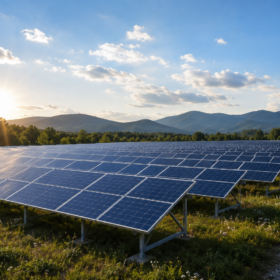
European PV avoided €10 billion in gas imports since escalation of Iran conflict
European photovoltaics have generated enough electricity since early March to avoid an estimated €10 billion in gas imports, according to SolarPower Europe, with savings averaging €110 million per day.
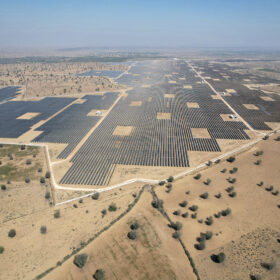
PV curtailment on the rise in India
India curtailed 300 GWh of renewable energy in Q1 2026 due to transmission constraints, according to a new repor from Ember.

Italy to assign 10 GW of PV in 2026-2027 renewables auctions
Italian energy agency GSE announced it will allocate 10 GW of solar capacity and 16 GW of wind power through auctions planned for 2026 and 2027.

South Korea advances bill to scrap renewable quota system
A substitute bill abolishing South Korea’s Renewable Portfolio Standard and replacing it with a government-led auction system cleared a key National Assembly committee this week.
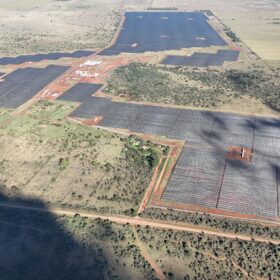
Amea Power switches on 120 MW solar plant in South Africa
The Doornhoek solar PV project, located in South Africa’s North West province, is the first to be completed under the sixth bid window of the country’s renewable energy independent power producer procurement program.

Pakistan’s operational PV capacity estimated at 51 GW
Latest report from Renewables First finds that Pakistan’s solarization continues to grow with households, farms and businesses turning to distributed solar to reduce their reliance on the grid.
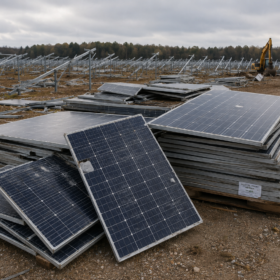
EU solar recycling only viable under strict policy, say researchers
TU Wien researchers say binding EU policy targets are essential to make solar module recycling economically viable, with exports to third countries remaining the cheapest option for member states in their absence.
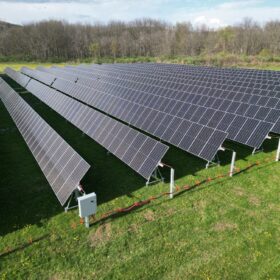
Intelligent solar siting neutralizes local opposition at near-zero cost
Macro-siting models that protect sensitive habitats and farmland from utility-scale development reduce permitting friction for a mere 0.17% cost premium.
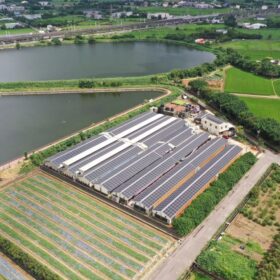
Taiwan shifting to regionalized approach for solar permitting
Taoyuan’s Department of Economic Development says its new guidelines for solar projects are designed to make photovoltaics “reliable and trustworthy neighbors.” Solar operators will be required to inspect environmentally-sensitive areas during the planning of future projects and prepare plans for storing damaged solar panels as a result of any natural disasters.
