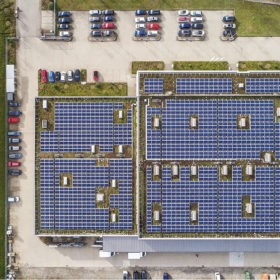
EU understimating rooftop PV power generation
SolarPower Europe estimates that EU solar generation is significantly underreported, with actual PV output projected at 410 TWh in 2025 versus 275 TWh in official statistics. The group attributes the gap to incomplete rooftop PV registration, data transfer delays, and the difficulty of measuring self-consumed solar electricity.
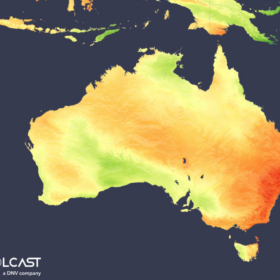
Record-dry April lifts irradiance across Eastern Australia
In a new weekly update for pv magazine, Solcast, a DNV company, reports that April 2026 was one of Australia’s driest Aprils in recent years, with widespread rainfall deficits driven by persistent high pressure and ENSO returning to neutral, leading to mostly clear skies and above-normal solar irradiance across much of the continent. New South Wales and Victoria saw the strongest sunshine surpluses, while remnants of ex-Tropical Cyclone Maila brought cloud and rain to the north, creating regional contrasts in rainfall and solar conditions.
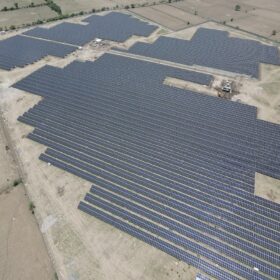
India has now 32.9 GW of operational PV capacity under private PPAs
Mercom reports that the so-called “open-access” solar installations were up 170% year-over-year from 1 GW added in Q1 2025. As of March 2026, cumulative installed solar open access capacity stood at 32.9 GW.
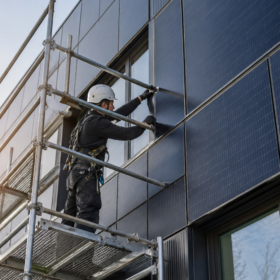
Meeting the challenges of long life time PV on buildings
As Europe’s first generations of integrated PV systems age, researchers and industry actors are only beginning to explore the long-term realities of maintenance, compatibility and repair.
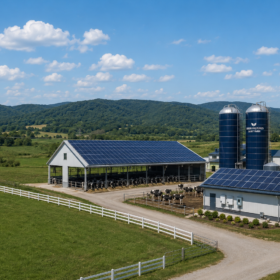
How to prevent stray voltage from harming livestock in PV-equipped dairy farms
Stray voltage is unwanted electrical potential differences in barns that can cause small shocks to livestock, especially dairy cows, through damp floors, metal equipment, and water systems, leading to stress and reduced productivity, and in some cases even to death. While PV systems are sometimes blamed, experts told pv magazine that the real causes are faulty or poorly designed grounding and electrical infrastructure, and that proper equipotential bonding is key to prevention. With attentive design, these risks to animal health can be avoided.
TCL SunPower launches new shingled TOPCon module series
The new modules feature bifaciality of 85%, an efficiency of up to 24.8%, annual degradation of 0.35%, and a 30-year performance warranty,
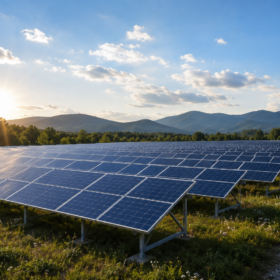
European PV avoided €10 billion in gas imports since escalation of Iran conflict
European photovoltaics have generated enough electricity since early March to avoid an estimated €10 billion in gas imports, according to SolarPower Europe, with savings averaging €110 million per day.

DNV publishes new floating PV safety standards
Norwegian classification society DNV has published two new guidelines covering the structural design of floats for floating solar systems and their mooring and station keeping systems.

Italy to assign 10 GW of PV in 2026-2027 renewables auctions
Italian energy agency GSE announced it will allocate 10 GW of solar capacity and 16 GW of wind power through auctions planned for 2026 and 2027.
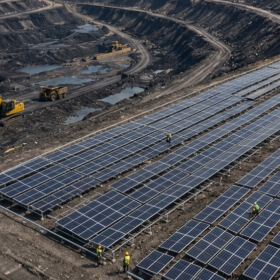
From coal to solar: A stable jobs transition for Poland
Research from Poland finds the development of the country’s solar industry will likely result in stable economic stimulus over the next 15 years, supporting between 20,000 and 40,000 direct full time contracts until 2040 depending on the level of investment and operations and maintenance of PV installations.
