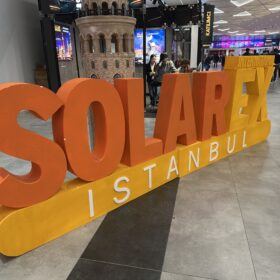
Key takeaways from SolarEx Istanbul
The 18th SolarEx Istanbul showcased Türkiye’s expanding solar ecosystem, bringing together hundreds of exhibitors and reinforcing its role as a rising global hub for PV manufacturing and innovation. At the same time, strong growth in distributed solar and emerging battery storage highlights both the market’s potential and its key challenges, including regulatory constraints, grid limits, and increasing global competition.
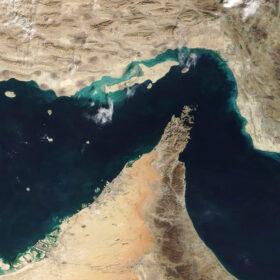
U.S.-Israeli conflict with Iran tests solar supply
The U.S.-Israeli conflict with Iran is unlikely to materially affect solar manufacturing projects in the Middle East for now, as most of these investments remain at an early stage. OPIS analyst Brian Ng sees the most immediate risk in logistics. If disruptions persist, shipments of solar products into the region could be delayed and export pricing may turn volatile.

‘I joined the management team the day after returning from maternity leave’
This week Women in Solar+ Europe gives voice to Ilse Cappelle, Head of Marketing & E-commerce at Netherlands’ Libra Energy. She explains how returning from maternity leave directly into a leadership role showed her the company’s strong support for career growth and work-life balance.

Solar PV, geothermal hybrid systems are more than niche solutions
Solar energy, driven by excellent resource conditions and rapidly improving economic attractiveness, is expected to emerge as a bulk energy supplier in future energy systems. The self-limiting effects of solar power can be circumvented through solar-hybrid solutions, such as PV-geothermal hybrid configurations.
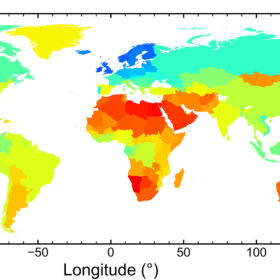
Solar PV Capex could fall to $192/kW by 2050
A review of 60 renewable energy studies finds that by 2050, solar PV and wind could supply 80–100% of electricity, but overly conservative Capex assumptions and simplified PV modeling often underestimate deployment potential. While future PV costs depend on supply chains and geopolitical risks, historical experience suggests medium-term risks are manageable, and material constraints are being resolved.

How Switzerland plans to integrate 40 GW of solar by 2050
Swiss national grid company Swissgrid teamed up with a group of Swiss energy expects to publish a white paper covering how Switzerland can integrate up to 40 GW of solar by 2050 while maintaining safe and reliable operation of the grid.
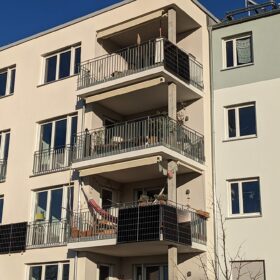
UK opens door to plug-in solar boom
In its first monthly column for pv magazine, experts from UK-based consultancy Ricardo, part of the WSP Group, explain how UK will soon allow low-cost plug-in solar panels under 800 W to be installed without a qualified electrician, making home solar more affordable and accessible. These portable systems, expected on sale by summer 2026, could significantly boost household solar adoption while complementing the country’s wider renewable energy growth.
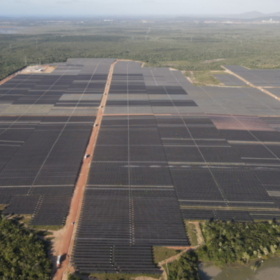
Brazil adds 2.3 GW of solar in first two months of 2026
Brazil installed 2.3 GW of solar capacity in January and February, as centralized generation more than doubled while distributed growth declined.
Greece installs 1.9 GW of PV capacity in 2025
Greece installed around 1.9 GW of new solar capacity in 2025, bringing total installed solar capacity to roughly 11.5 GW, according to industry estimates.

‘Photovoltaics are, first and foremost, about energy security’
In an interview with pv magazine, Carolina Novac, Secretary of State at Moldova’s Ministry of Energy explains how the country raised its solar capacity to 1 GW while advancing wind, storage, and regulatory reforms to strengthen energy security and reach 30% renewables by 2030. The Moldovan government is now focusing on scaling BESS, modernizing the power market, and enhancing cybersecurity through stronger policies and international cooperation.
