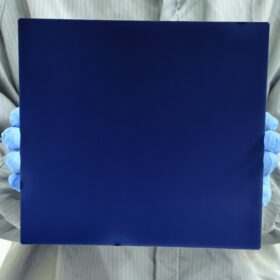
DAS Solar, UNSW build tunnel back-contact solar cell with 27% efficiency, lower silver content
Researchers from UNSW and DAS Solar developed a zero-busbar metal grid optimization approach for tunnel oxide passivated back-contact (TBC) silicon solar cells, enabling more efficient current collection at the rear surface while reducing silver consumption by 3–4 mg/W. The first TBC cells produced in mass manufacturing using this technique have demonstrated efficiencies exceeding 27%.
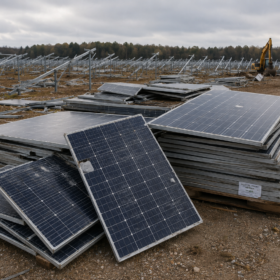
Solar module recycling based on oxidative liquefaction
Researchers have developed a low-temperature, hydrogen peroxide-mediated oxidative liquefaction process to recycle end-of-life solar panels by selectively breaking down polymers into useful chemical feedstocks. The proposed method reduces energy consumption, eliminates hazardous solvents, and minimizes landfill waste compared to traditional recycling techniques.

Oil in turmoil, solar stays stable
Soaring energy costs have grabbed headlines around the world the past two months, but prices across the solar supply chain are marching to their own beat, writes Hanwei Wu of OPIS. Oversupply in Asia continues to distort markets, with either sharp price falls or tepid price gains.
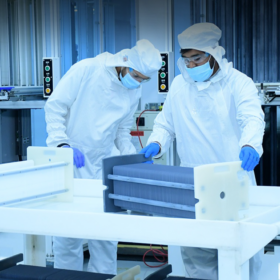
Fujiyama Power to set up 1.2 GW TOPCon solar cell manufacturing facility in India
Fujiyama Power Systems, which currently operates a 1 GW mono PERC solar cell manufacturing facility in Uttar Pradesh, plans to set up an additional 1.2 GW TOPCon solar cell manufacturing facility in Madhya Pradesh as part of its strategy to expand its presence in the on-grid rooftop solar segment.
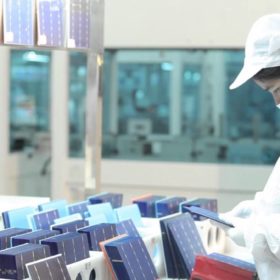
China invalidates First Solar TOPCon patent in major win for JinkoSolar
JinkoSolar has won a key patent invalidation in China against First Solar’s TOPCon-related patent, with the China National Intellectual Property Administration ruling it fully invalid.
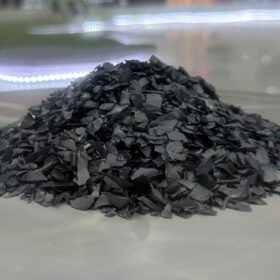
Chinese PV Industry Brief: Polysilicon prices remain flat amid supply-demand rebalancing signals
Polysilicon prices stayed flat in China as production and demand moved closer into balance, easing recent supply–demand pressures.
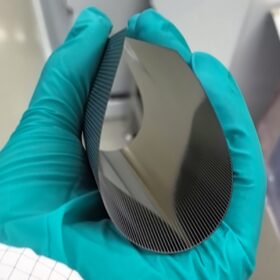
Singapore team builds 19.7%-efficient ultrathin ‘biPoly’ TOPCon solar cell
The ultra-thin TOPCon solar cell uses dual-sided polysilicon passivated contacts formed by low-pressure chemical vapor deposition. The champion device, with a thickness of only 80 μm, achieved 19.7% efficiency with 719 mV open-circuit voltage and demonstrated strong passivation, optical performance, and mechanical flexibility.
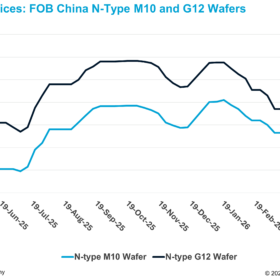
Chinese wafer producers build inventory ahead of expected Q3 demand recovery
In a new weekly update for pv magazine, OPIS, a Dow Jones company, provides a quick look at the main price trends in the global PV industry.

California Senate passes plug-in solar bill
The Plug and Play Solar Act, which passed on a 35-1 vote, would allow portable solar generation devices with up to 1,200 W of output to connect to a building through a standard outlet. The bill now moves to the state Assembly, which has until August 31 to pass it during the current session.
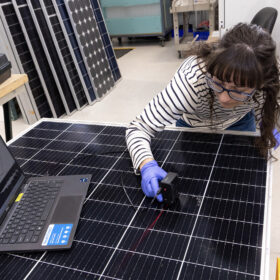
Solar industry cost-cutting sparks record wave of spontaneous glass breakage
Instances of cracks in PV module glass started appearing about five years ago. Spontaneous glass breakage is now one of the solar industry’s top issues, but manufacturing pressures and a lack of standards are hindering solutions.
